
Living with Kidney Disease: Two Different Journeys, One Shared Challenge

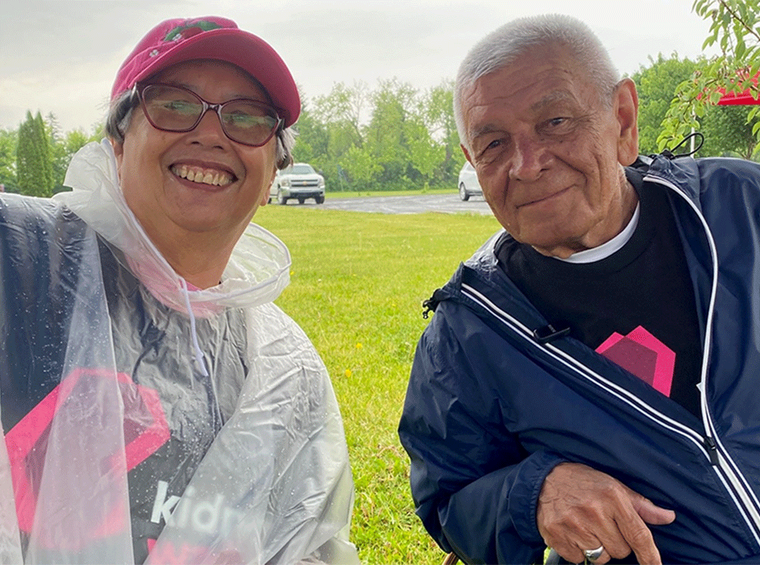
Nias Bordeau: 26 Years of Dialysis and Still Committed to His Community

At age 51, Angus “Nias” Bordeau was still working as a steelworker when he began experiencing unusual symptoms. His foot became swollen, walking grew difficult, and he started losing his appetite.
Blood tests quickly revealed an unexpected diagnosis: his kidneys were beginning to fail.
“I knew nothing about dialysis,” he recalls.
Just a few days later, his life changed completely.
Over the years, Mr. Bordeau has undergone several forms of treatment. He initially received dialysis in a hospital setting, then spent several years performing dialysis at home before returning to a treatment centre following complications.
Today, after 26 years of treatment, he continues to follow his dialysis routine several times a week.
“It’s like going to work three days a week,” he says matter-of-factly.
A Transplant That Was Never Possible
Like many people living with kidney failure, Mr. Bordeau hoped that one day he would receive a kidney transplant.
However, because of numerous previous surgeries and the medical risks associated with his condition, doctors determined that transplantation was not a viable option for him. As a result, dialysis became his long-term reality.
The Unwavering Support of His Wife
Throughout these years, one person has remained by his side: his wife, Betty.
Present through medical appointments, hospital stays, and difficult periods, she has become his primary source of support.
The couple has faced particularly challenging times. In an interview with The Eastern Door, Betty Bordeau recalled how exhausted her husband had become from winter travel and the burden of treatment, to the point where he considered discontinuing dialysis. Together, they were able to overcome that difficult period.
Over the years, Nias and Betty have become valuable resources for other patients and their families, sharing their experience and offering support to those beginning their journey with kidney disease.
Richard Cross: Living an Entire Life with One Kidney
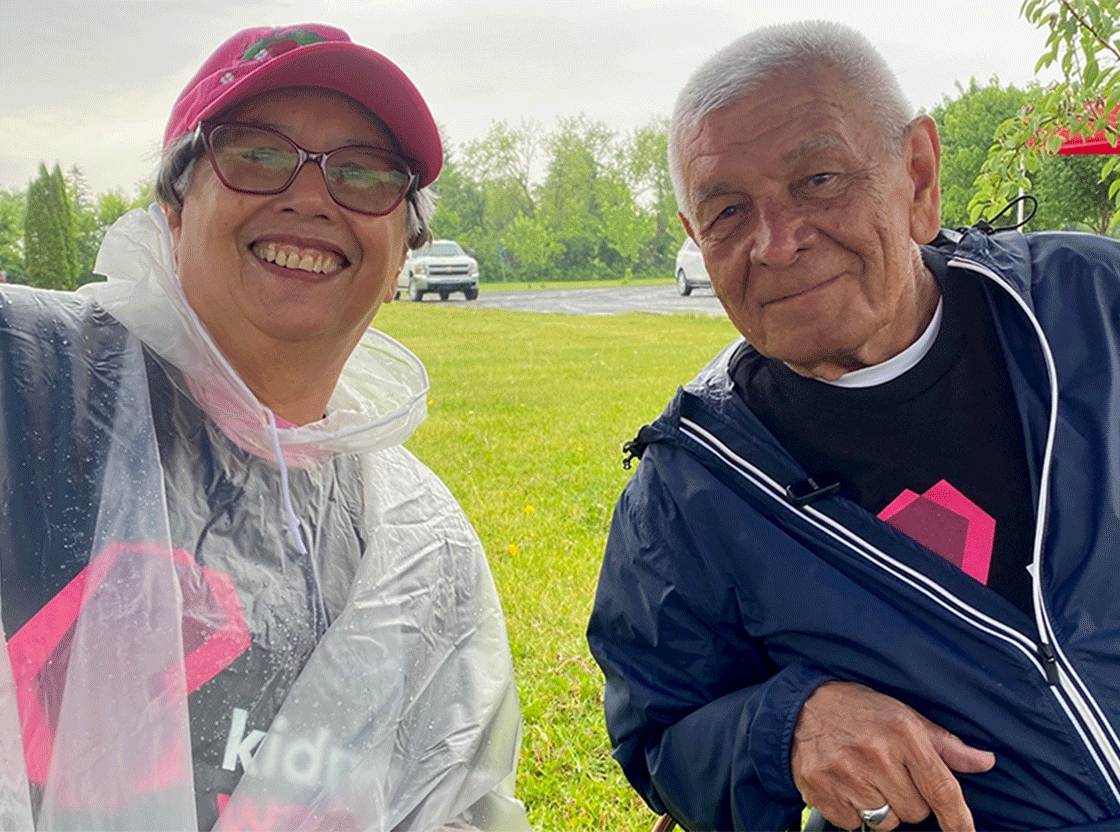
Richard Cross’s story is different.
It was only in adulthood that he learned something surprising: he had just one functioning kidney.
During a medical examination several decades ago, a technician informed him that his second kidney was present but non-functional.
The news came as a shock to the entire family.
Neither he, nor his siblings, nor even his mother knew about this congenital condition.
For many years, however, this condition caused no significant problems.
A Recent Reminder of the Importance of Medical Follow-Up
In recent months, Mr. Cross experienced a concerning health episode. A significant buildup of fluid caused severe swelling in his legs and rapid weight gain.
Hospitalized for several days, he received treatment that removed the excess fluid and stabilized his condition.
Tests conducted by specialists, however, brought good news: his functioning kidney remains healthy.
The experience nevertheless reminded him of the importance of regular medical monitoring, especially as he grows older.
Learning to Adjust Daily Habits
Like many people living with kidney disease or cardiovascular conditions, Richard Cross has had to make several lifestyle changes.
A stricter diet, particularly regarding sodium and certain minerals, is now part of his daily routine.
These adjustments can sometimes be challenging, but he sees them as necessary to maintain his health.
More Than 50 Years of Partnership and Support
In this journey as well, family plays an essential role.
Richard and his spouse, Pauleen, have shared their lives for more than half a century. Together, they have learned to navigate health-related challenges and adapt their habits to protect the kidney that allows him to continue leading an active life.
Managing medical appointments, modifying their diet, and adopting new health routines have become responsibilities they share.
Their partnership is one of the most striking aspects of their story.