From 19 to 25 April, National Organ and Tissue Donation Week is a time to reflect on the importance of a profoundly human act: giving a part of yourself to offer life.
As well as raising awareness, the week encourages essential conversations and reminds us that behind every donation there is a story, a family... and renewed hope.
The touching story of a living donor
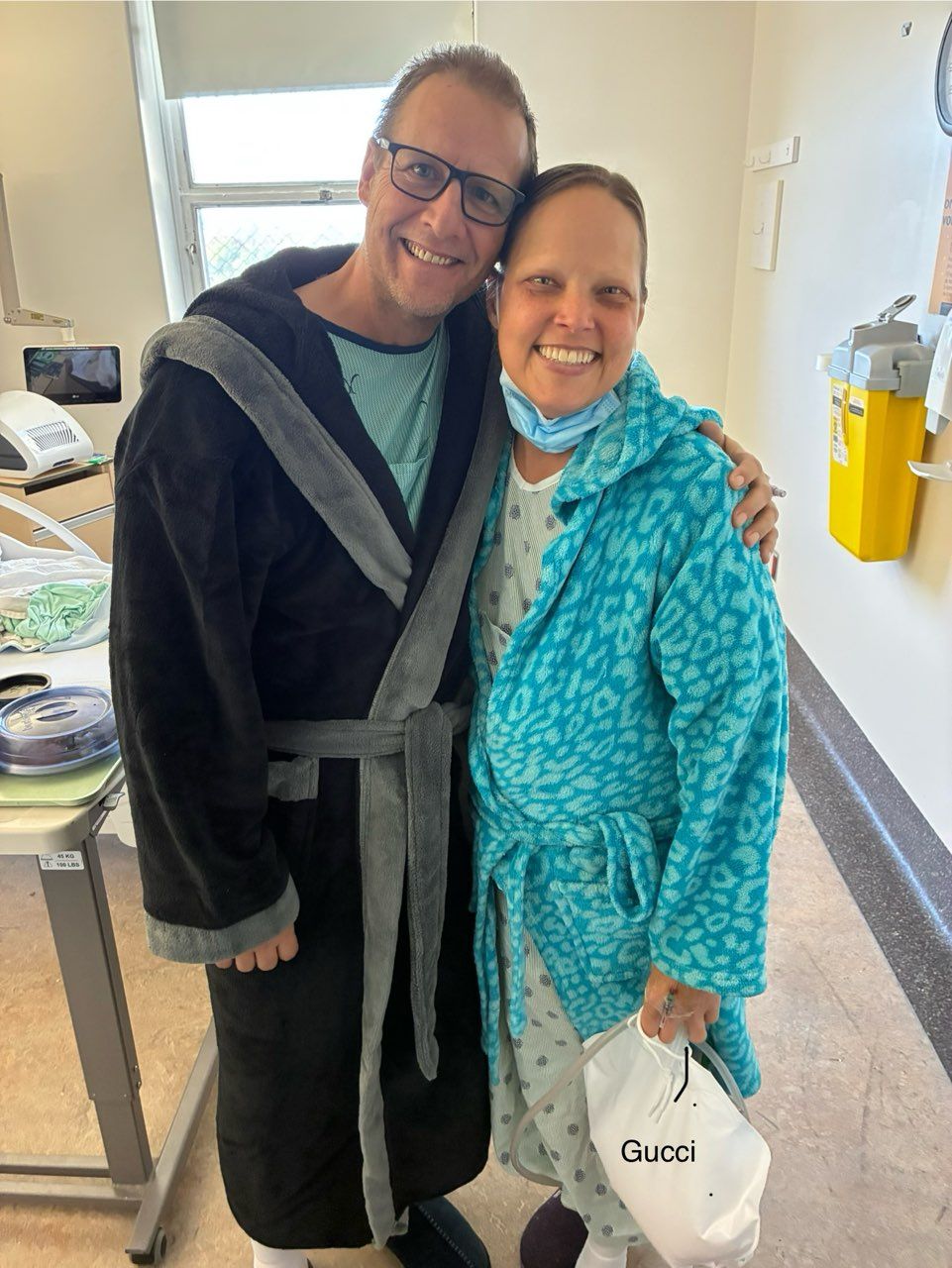
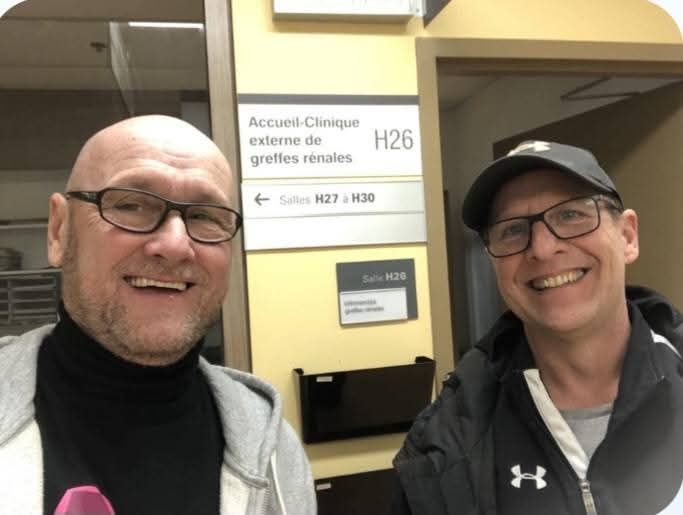
Sylvain Bourque is one of the living donors who has made a deeply moving gesture of generosity. Driven by family love, he chose to donate a kidney to his niece while she was still alive, giving her a genuine second chance.
"Over a year ago, I made the decision to make a difference in her life, simply because it was possible. We were compatible
Geneviève had to deal with kidney disease from an early age. Among other things, she received her first transplant from her father ten years ago. Then, a few years ago, she found herself on dialysis, with particularly demanding treatments (7 days a week, 9 hours a day). She finally received a second transplant on 8 October 2025. This time, it was her uncle Sylvain's kidney that gave her a new quality of life.
With the support of his wife, children and extended family, Sylvain's choice was an obvious one. Today, he talks about how happy he is to have made this profoundly human gesture.
"From one day to the next, the results were incredible. His kidney function is now practically normal, at around 65. Before the transplant, her kidney function was over 600 [1]. As far as I'm concerned, virtually nothing has changed, apart from the pride and joy of seeing my niece radiant and healthy again. Life has returned to normal. Together, we can still achieve small miracles. Vive la vie!" he says with emotion.
Sylvain's story reminds us of one essential thing: organ donation is not an abstract concept. It's a vital gesture that gives people back years of life and makes future projects possible.
Organ donation in Canada: the figures speak for themselves [2] :
As of 31 December 2024, 3,212 organ transplants had taken place in the country, 82% from deceased donors and only 18% from living donors.
More than 4,000 Canadians were still waiting for a transplant.
Of these, 72% were waiting for a kidney transplant.
These figures bring us back to an inescapable reality: every donor counts. A single donor can save up to eight lives, and significantly improve the quality of life of many others, through tissue donation[3].
Why we need to keep talking about it
Despite significant progress in organ donation, waiting lists for transplants remain long across the country. Unfortunately, some people die before they can receive the organ they need.
In this context, living organ donation plays an essential role. Not only does it reduce waiting times for transplants, it also gives recipients a better chance of success and a faster recovery. Living donation, where possible, is a safe and meaningful option that can transform and even save lives.
It's important to remember that the majority of donations, especially those made after death, can only take place if the donor's wishes are clear and known to their loved ones, a decisive factor that can make a donation a reality.
What's your role in all this?
Organ and tissue donation is not just a medical issue: it's a collective commitment. This National Organ and Tissue Donation Week, take the time to find out more, talk to your loved ones and think about the legacy you want to leave, during your lifetime or after your death.
Three simple steps to get you started:
Find out more about living donation;
I register my consent for posthumous donation;
I discuss my wishes with my family;
As Sylvain has shown, giving is much more than a gesture: it's a message of life and hope.
[1] Creatinine level in µmol/L
[2] Summary statistics on transplants, waiting lists and donors, CIHI. Accessed February 5, 2026.
[3] Institut universitaire de cardiologie et de pneumologie de Québec - Université Laval, 2026 (IUCPQ statistics)